

How Cafés Can Use Instagram to Fill More Tables

Every café we work with has a nice Instagram. Good lighting, decent coffee shots, the odd staff selfie. And most of them say some version of the same thing: "we post, but I don't know if it's actually doing anything."
Fair question. A latte art photo doesn't put anyone in a seat. What actually moves people is a bit more specific than "post nice photos" — and most cafés are only doing about half of it.
People are already deciding on their phone
Before someone walks into a café, especially a new one, they've usually already made half the decision on their phone. They've glanced at photos, maybe checked if there's outdoor seating, seen whether the coffee looks like coffee they'd want. Industry data on dining decisions backs up what most café owners already sense — a solid chunk of people will visit a place specifically because they saw a photo of it that made them want to be there. That's the job of your Instagram. Not to look nice in the abstract, but to make someone go "yep, that one."
Which means the test for every post isn't "does this look good", it's "would this make a stranger scrolling on their lunch break actually want to come in."
The stuff that gets scrolled past
A menu board photo. A generic "happy Friday!" caption with no image worth stopping for. A blurry photo of a coffee cup taken in bad overhead lighting. None of these are wrong, exactly, they're just invisible. Nobody stops scrolling for them, and nobody remembers them five minutes later.
The posts that actually work tend to have one thing in common: they show something specific. Not "coffee," but the exact way the light hits the counter at 8am. Not "we're open," but the new person behind the machine and a line about who they are. Specificity is what makes someone pause.
What's actually worth posting
You don't need a content calendar with fifteen categories. A café's Instagram works fine with a handful of things, rotated:
The food and drinks, but shot like you'd actually want to eat them — natural light, a hand reaching in, steam still coming off it. Not a flat photo from directly above under fluorescent lights.
The people. Regulars (with their permission), staff, the person who's worked the espresso machine for three years. People follow people, not menus.
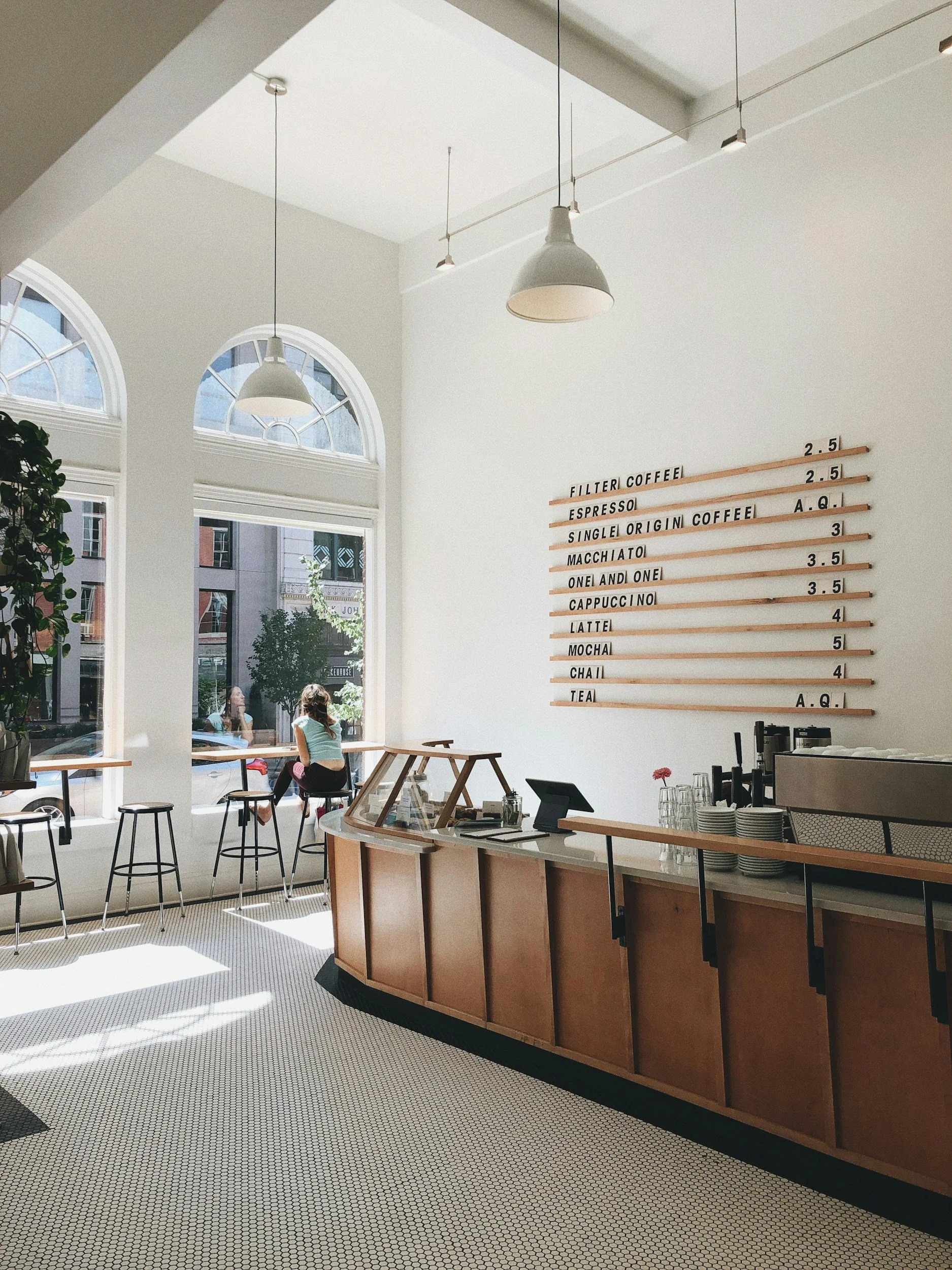
The space itself. The corner table, the way the afternoon light comes through, the little details someone might not notice until they're pointed out.
What's new or different. A seasonal drink, a new supplier, longer hours over summer. Give people an actual reason to come back this week rather than any week.
The honest, unpolished stuff. A video of the morning rush, a mistake that got laughed about, the owner closing up. This is what makes a café feel like a place with people in it, not a brand account.
None of this needs to be perfect. Some of the best-performing café content online is a bit rough — a 10-second phone video of someone pulling a shot, not a produced ad.

Stories matter more than people think
A lot of café owners put all their effort into the feed and barely touch Stories, which is backwards. Stories are where people expect things to feel a bit looser and more immediate, today's special, a quick shot of the queue, a "last few seats" heads up on a Saturday morning. It's low pressure, it's fast to do, and it's often what actually gets someone to walk down the street right now rather than "someday."
Consistency beats intensity
You don't need to post daily. You need to post often enough that people don't forget you exist, and that's a lower bar than most café owners think — a few solid feed posts a week, topped up with Stories when something's actually happening, does more than a burst of ten posts followed by three weeks of silence.
If Instagram keeps sliding down the priority list under actual café-running, that's honestly the most common reason it stops working — not the content itself, but the gaps.
Getting other people to post about you
The most convincing content isn't yours — it's a customer's photo of their coffee, tagged, unprompted. You can nudge this along without it feeling try-hard: a nice-enough space that photographs well, a small "tag us" sign near the counter, or simply asking a regular if you can repost their photo. People trust another customer's genuine post over a business's own polished one, every time.
A last thought
None of this is about turning your café into a content machine. It's about making sure the fifteen minutes a week you do spend on Instagram is actually doing something — showing real food, real people, real reasons to come in, consistently enough that you stay top of mind. That's a much lower bar than most people think, and a much better use of your time than chasing trends that don't fit your café anyway.
If your Instagram feels like it's not pulling its weight, that's exactly the kind of thing we help sort out at Jay Creative Studio — happy to have a look and tell you honestly what's working and what isn't.
FAQ Section
How often should a café post on Instagram? A few solid feed posts a week, topped up with Stories, is enough for most cafés — consistency matters more than frequency.
Do I need professional photos for café Instagram content? No. Natural light and a decent phone camera go a long way. Some of the best-performing café content is intentionally unpolished.
What should a café actually post about? A mix of food and drinks shot well, the people behind the counter, the space itself, what's new, and the odd honest, unpolished moment.
How do I get customers to post about my café? Make the space photogenic, ask happy customers if you can repost their photos, and consider a small "tag us" prompt near the counter.